

HSE Develops Its Own MLOps Platform
HSE researchers have developed an MLOps platform called SmartMLOps. It has been created for artificial intelligence researchers who wish to transform their invention into a fully-fledged service. In the future, the platform may host AI assistants to simplify educational processes, provide medical support, offer consultations, and solve a wide range of other tasks. Creators of AI technologies will be able to obtain a ready-to-use service within just a few hours. Utilising HSE’s supercomputer, the service can be launched in just a few clicks.
The Parallel Computational Technologies Conference—A Landmark Event in the IT World
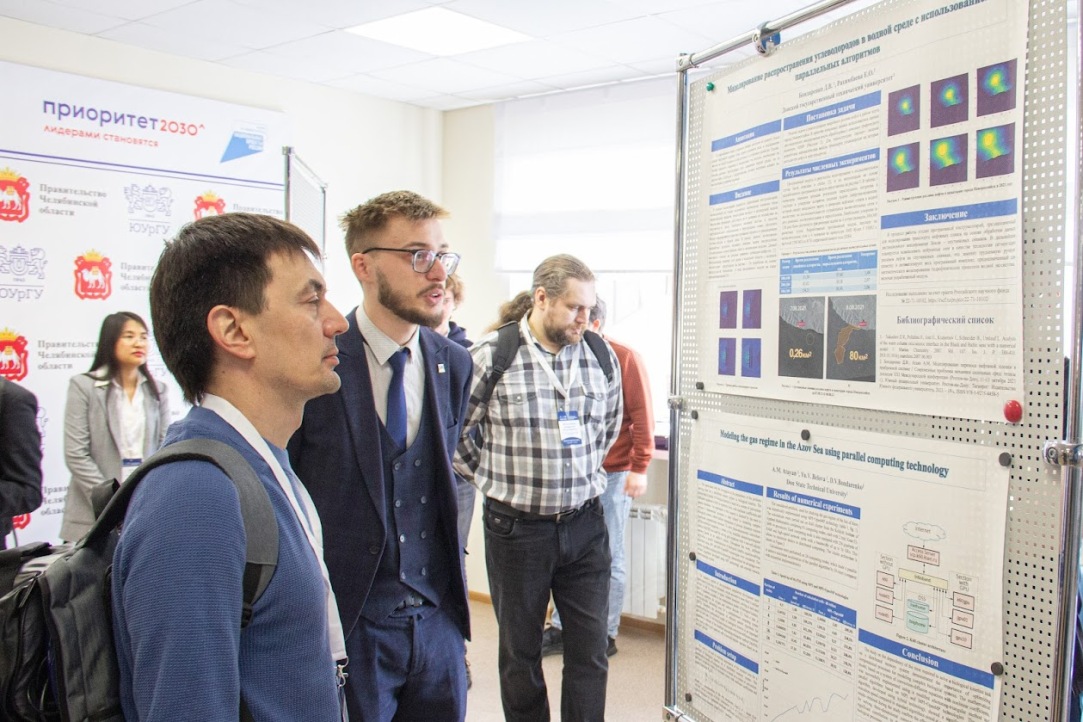
Preparations are underway at HSE University for Parallel Computational Technologies (PCT) 2025, an IT conference covering all aspects of the use of cloud, supercomputer, and neural network technologies in science and engineering. Applications to present at the conference (including those from early-career scientists) are open until January 1, 2025.
HSE cHARISMa Supercomputer Completes One Million Tasks
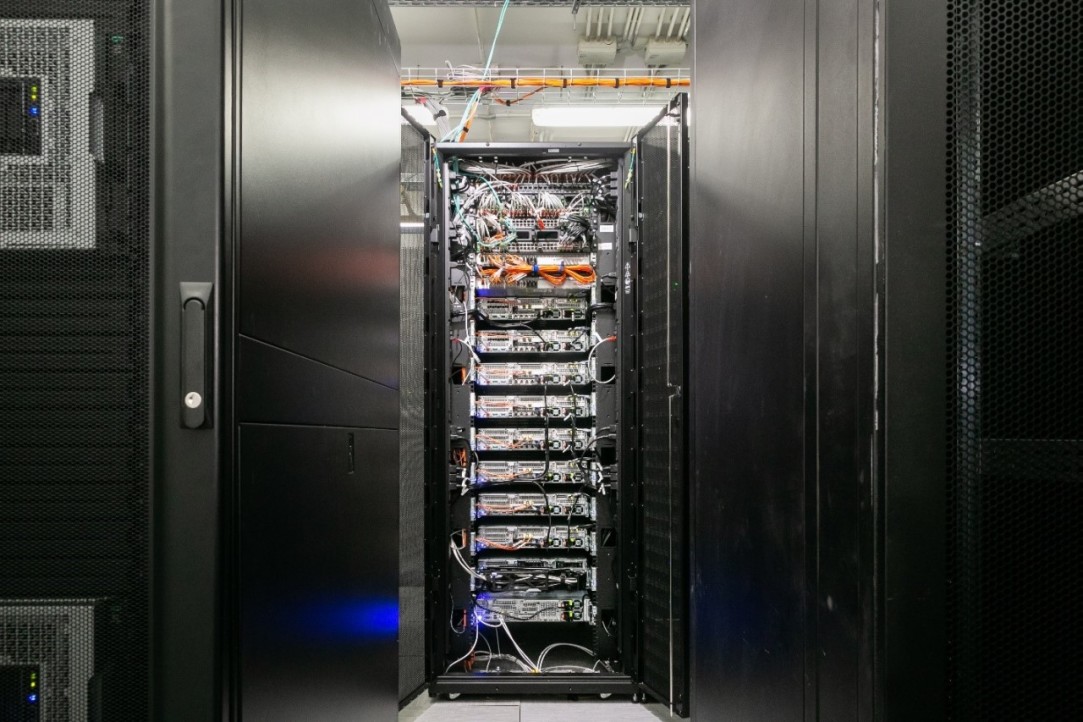
Since 2019, the cHARISMa supercomputer has been helping staff, teachers and students of HSE university to solve research tasks. In February 2023, it completed its millionth task—a computational experiment dedicated to studying the phenomenon of multiparticle localisation in quasi-one-dimensional quantum systems.

From Covid-19 to Risk Appetite: How HSE University’s Supercomputer Helps Researchers
Whether researching how the human brain works, identifying the source of COVID-19, running complex calculations or testing scientific hypotheses, supercomputers can help us solve the most complex tasks. One of the most powerful supercomputers in the CIS is cHARISMa, which is now in its third year of operation at HSE University. Pavel Kostenetskiy, Head of the HSE University Supercomputer Modeling Unit, talks about how the supercomputer works and what kind of projects it works on.

HSE Researchers Solve a Record Number of Computational Tasks on Supercomputer
In April, the number reached 16,830, which is more than the number solved during the entire first quarter of 2020.